
GrabLTD went quiet for a while. It is back, rebuilt from scratch and live since 12 October 2026, and it is now built for one group of people: anyone who pays for software. That includes the person with a monthly email tool they forgot about, the freelancer paying for a booking app every month, and the team lead who has no clear idea what the company still renews.
This post covers what changed, what you can do on the site now, and how to get deal alerts by email. Nothing here needs a founder's budget or a developer's setup. If you have ever bought a software deal and then wondered what it cost you in total, this is for you.
A rebuilt site that shows plans side by side
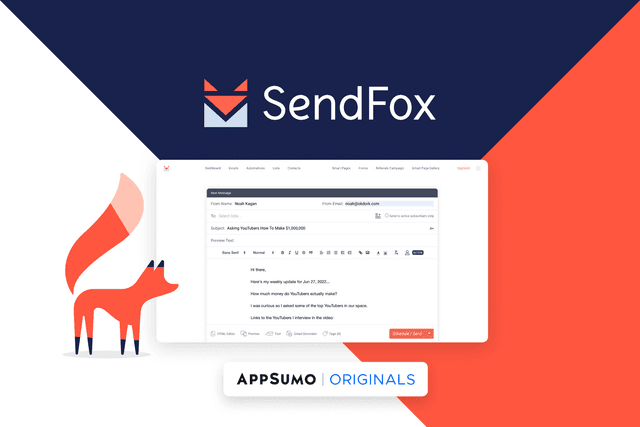
The biggest change is the product page. Each deal lists its plans and prices together, so you can compare tiers before you open the seller's checkout. Take SendFox. The SendFox deal shows one lifetime tier at $29 one-time, with 5,000 contacts and 300,000 lifetime email sends. It also says the code must be activated within 60 days of purchase and that codes cannot be stacked. On a typical deal page the price is the headline and the limits hide in the fine print. Here the limits sit in the plan table next to the price, so you can rule a deal out in less time than it takes to make coffee.
Around 490 deals are live today across AI, marketing, productivity, design, video, SEO, sales, developer tools, storage, WordPress, email and voice. They are collected every day from six deal sources: AppSumo, StackSocial, DealMirror, Dealify, RocketHub and DealFuel. Only lifetime software is listed from those sources. Courses and subscriptions in disguise are filtered out. Every product page shows when it was last checked against its source, and the browse page lists everything.
Some sellers still leave details out. Pabbly does not publish a redeem window on its GrabLTD page, for example, so read the terms before you buy, not after. Most deals today are bought at the deal source, and that source's own refund terms apply. The refund window is shown on each deal page, so check it there. If a seller's terms are unclear, ask before you pay, because a refund request is much harder to win after the window has closed.
Software makers can now list and sell their products on GrabLTD themselves through a partner portal. When a deal ends, its page stays up and offers "Get notified when this deal is back", so a missed deal is not a dead end.
A free workspace for the software you already pay for
Lifetime deals do not renew, but they still need tracking, and your monthly tools need it even more. The buyer workspace is free: sign up and you can keep a list of the tools you own, record what you pay for subscriptions and when they renew, and build wishlists. You also get price-drop and ending-soon alerts on the deals you care about.
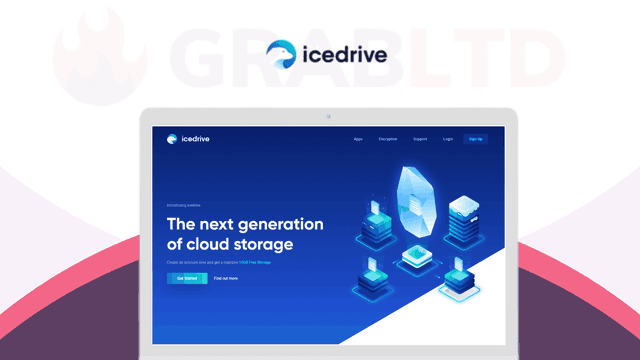
Refund windows are the part most buyers forget. According to Icedrive's own lifetime page, its lifetime plans carry a 30-day money-back guarantee. The Icedrive deal lists the Personal 500 GB plan at $399 one-time on the GrabLTD page. Write the purchase date and the refund deadline into your workspace on the day you buy. A refund window closes whether or not you remember it, and a note takes ten seconds.
The wishlist works in the other direction. Add a deal you are not ready to buy, and it stays there while you wait for the price or the limits to suit you. Many people buy the first deal they see and regret the tier, so a wishlist is cheap insurance against a rushed decision.
Switching from monthly tools to lifetime deals
GrabLTD publishes switching guides for people moving from a monthly tool to a lifetime deal. Six are live today: Bitly to ShortyBuild, Calendly to TidyCal, ConvertKit to SendFox, Dropbox to pCloud, Mailchimp to FluentCRM and Zapier to Pabbly. Each one walks through the steps and shows the cost over one year and over three, and more guides are on the way. Read the guide before you cancel, not after. Some old tools hold data you cannot download once the subscription ends, and a guide that tells you what to export first saves a second round of searching later.
Think of a switch as a two-step job. First, run the new tool next to the old one for a short period while you move your real work across. Then cancel the old plan once the new one has handled a full cycle. That order costs you a few extra days of overlap and avoids the worst outcome, which is a gap in the middle of a client project.
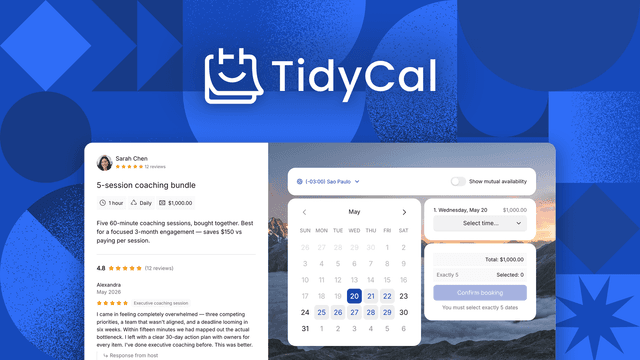
The easiest swap is usually the simplest tool. TidyCal is a scheduler: booking pages, paid sessions and review requests behind one link. The Individual plan is $29 one-time on the GrabLTD page, against a regular price of $144 shown there. It covers up to 10 calendars and connects to Google, Office 365 and iCal. If you pay for a monthly scheduler and open it a few times a week, that is the first line to compare. Booking tools are also easy to test: share a link with a colleague and check that the confirmation emails arrive before you cancel anything.
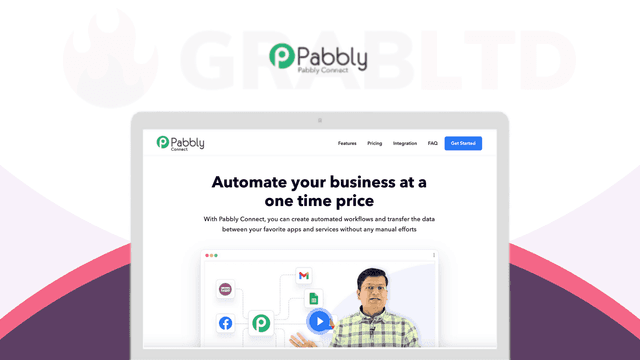
Automation is harder to swap, because your workflows depend on the exact steps of the tool. Pabbly Connect is a no-code tool that moves data between apps. Its Standard plan is $349 one-time, with 3,000 tasks a month and 10 workflows. The page warns that Pabbly's own task limits may have changed, so check the plan table on the day you buy. One-time Pabbly plans cannot be upgraded later, so buy for the size you will need in two years, not only for this month.
Get deal alerts by email
If you would rather not check the site each morning, sign up for free deal alerts by email. A deal that matches a tool you already track is the one worth opening first, and a deal outside your list can wait for the next email.
Here is a way to start today. Pick one monthly tool you pay for. Open its category page, or the browse page, and compare it with a lifetime plan. Write the purchase date and refund deadline down before you buy. If the deal wins on the numbers, buy it. If it does not, you still leave with a clearer list than you had before.
GrabLTD's links may be affiliate links. That means GrabLTD can earn a commission on some purchases, at no extra cost to you.