

Two hundred euros is less than most founders spend on coffee in a quarter, yet it's enough to stand up a real service business if you buy the tooling once instead of renting it forever. The trick isn't finding the cheapest tools. It's picking a service where the customer pays you precisely because they will never sit down and learn the tool themselves.
That distinction matters more than any stack you assemble. Here's the take I'll defend for the rest of this piece: the niche service business that pays best in 2026 isn't the most automated one. It's the one whose customer would never figure out how to do it themselves, and would rather hand you money than try. Automation lowers your cost. Irreplaceability sets your price. Chase the second one.
Why the un-automatable service wins
A dentist does not want to learn keyword research. A course creator does not want to think about email deliverability at 11pm. A local plumber will happily pay someone $300 a month to keep his website from breaking, and he would pay double before he'd open a WordPress dashboard himself. The value you sell in a service business is the customer not having to care.
This is why "productized service plus lifetime tools" beats most micro-SaaS ideas for a first business. You skip the multi-year build, you charge on day one, and the tool cost is a sunk €200 rather than a monthly bill that grows with your client count. The five businesses below all fit that shape. Each one has a lifetime-tool stack that lands near or under €200, and each one sells a job the buyer actively avoids.
One caution before the list. A productized service works because the scope is fixed: same deliverable, same price, same turnaround for every client. The moment you start customising per customer, you've built a consultancy, and consultancies don't scale on €200 of software. Write down exactly what the client gets and what they don't before you take the first payment. That single page of scope is worth more than any tool you buy.
SEO audits for local businesses
Every plumber, dentist, and law firm within 30 miles of you has a website nobody has audited since it was built. You don't need to be an SEO savant to sell this. You need to run a clean audit, translate it into three fixable problems, and present it in a report the owner can actually read.
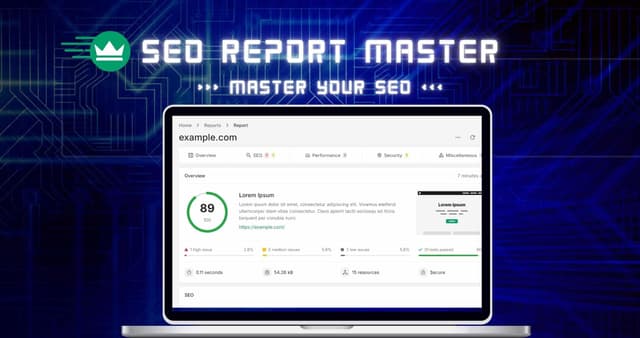
The core tool here is an audit engine that produces client-facing reports. SeoReportMaster's white-label audit reports run about $99 on GrabLTD and generate the branded PDF that makes a $400 audit feel like a $400 audit. Pair it with a free Google Business Profile check and a spreadsheet, and your tool cost is basically that one purchase. You can browse the rest of the current SEO options in the lifetime SEO tools directory if you want a backlink checker alongside it.
A concrete way to start: pick one trade, say roofers, and run free audits on ten of them in your city. Send each owner a two-page summary with the three problems that are costing them calls. Two or three will reply asking what it costs to fix. You've now got a paying client and a script you can repeat for dentists, then for movers, then for anyone with a Google listing and a pulse.
Pricing: a single audit sells for $250 to $500 depending on the market. Sell one a week for a year and you're at $15,000 to $25,000 from a $99 tool. The upsell is a monthly retainer to actually implement the fixes, which is where the real money sits. The owner will never learn to read a Core Web Vitals report. That's the whole business.
Podcast and short-video editing
Podcasters and creators generate more raw footage than they can process, and editing is the task they hate most. It's repetitive, fiddly, and it stands between them and publishing. That's a service you can sell for a retainer and deliver on your own schedule.
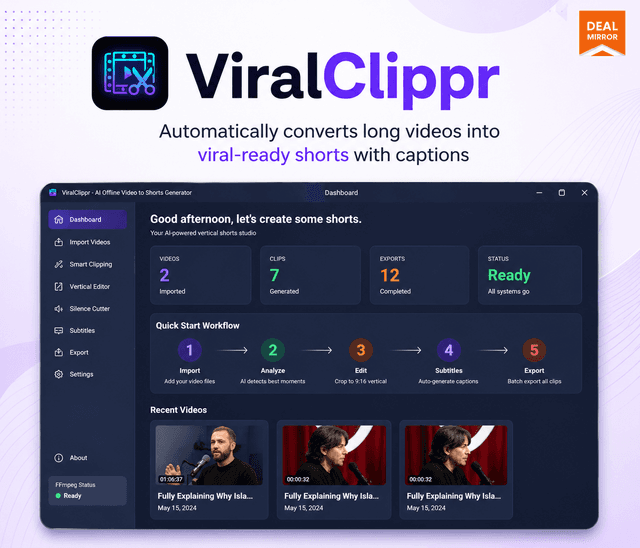
The lifetime tooling has caught up here. A tool like ViralClippr sits around $37 and turns a long recording into captioned short clips for social, which is the deliverable creators actually want and rarely produce themselves. Add a cheap desktop editor you already own and your stack cost barely registers. This is the most "automatable" business on the list, which is exactly why I'd rank it lower than the others for pricing power. When the tool does most of the work, the customer eventually notices and starts doing it themselves.
Pricing: podcast editing retainers run $300 to $800 a month per show for a weekly episode plus clips. Land four shows and you're at a meaningful monthly number. Just know the margin comes from your speed, not from irreplaceability, so treat it as a volume play rather than a premium one.
Email-list management for creators
A creator with 8,000 subscribers is sitting on their most valuable asset and almost certainly neglecting it. They don't send consistently, their automations are broken, and their deliverability is quietly rotting. Managing that list, writing the sends, and keeping the sender reputation healthy is a service worth real money because the downside of getting it wrong is the client's whole business.
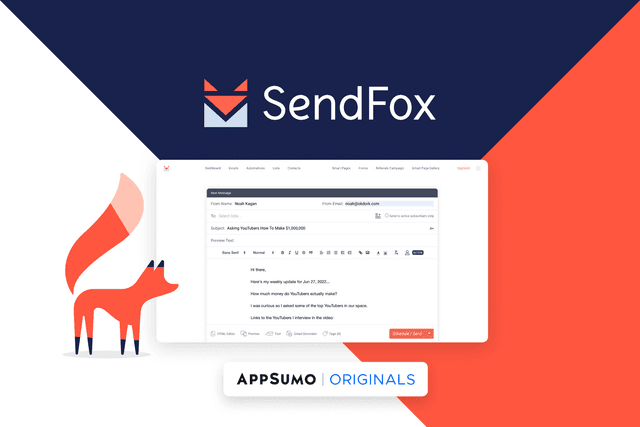
You can run this on a lifetime email tool rather than a monthly ESP bill that scales with list size. SendFox is a lightweight lifetime option at roughly $29 that handles broadcasts and simple automations for exactly this kind of creator. It won't replace an enterprise platform, and you shouldn't pretend it does. For a solo creator under 10,000 subscribers, it's plenty.
Pricing: list-management retainers run $500 to $1,500 a month, and the client stays for years because the switching cost is terrifying to them. This is the un-automatable business par excellence. The creator could learn to do it. They never will, because every hour they spend in an email dashboard is an hour they're not making the content that grew the list.
WordPress maintenance retainers
WordPress runs a huge share of the web, and most of those sites are one plugin update away from breaking. Owners live in fear of the white screen of death and have no idea how to bring a site back. A maintenance retainer that covers updates, backups, uptime monitoring, and speed keeps a small business's storefront alive, and it's the definition of a service the customer will never touch.
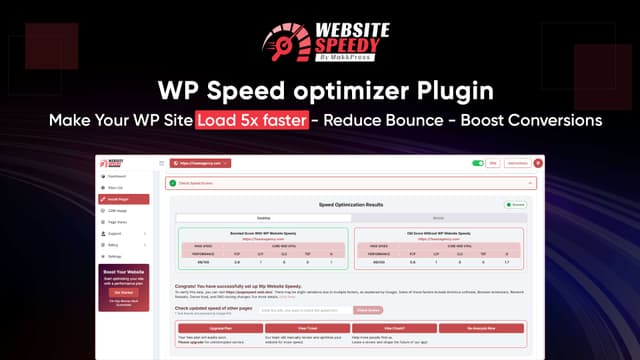
The stack is lean. A performance tool such as WP Website Speedy runs about $59 and handles the caching and optimisation work that clients notice as "the site feels faster." Combine it with a free uptime monitor and a backup plugin, and you're well under budget with room to spare. The rest of the lifetime WordPress plugins worth stocking are in the WordPress category.
Pricing: maintenance retainers run $75 to $300 a month per site, and one person can comfortably manage 20 to 40 sites once the routine is set. Do the math on 25 sites at $150 and this quietly becomes a full income. The client renews every month because the alternative is learning WordPress, which they would rather not do until the day the sun goes out.
ChatGPT-prompt and AI-workflow consulting
Every small business owner has heard they should be "using AI" and has no idea how. They've tried ChatGPT once, got a mediocre result, and gave up. Selling them working prompts, saved workflows, and a small library of templates for their specific job is a service, not a course. You're not teaching them to fish. You're handing them the fish, labelled and ready.
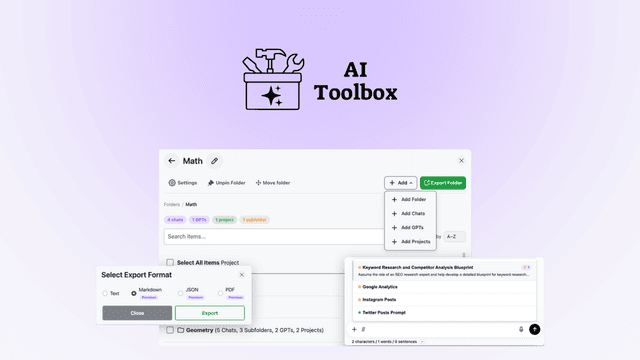
A multi-model workspace helps you build and test these workflows without juggling five subscriptions. A tool like AI Toolbox runs around $59 and lets you develop the prompt libraries you'll hand off. Your actual product is a tuned set of prompts for, say, a real-estate agent's listing descriptions or a clinic's appointment reminders.
Niche it hard. "AI consulting" sells to nobody, but "listing descriptions and buyer emails for real-estate agents, done in your brand voice" sells to a specific person with a specific budget. Build one polished library for one trade, show the before-and-after on real output, and let word of mouth inside that trade do the selling. Agents talk to agents. Clinics talk to clinics.
Pricing: a prompt-library setup project runs $500 to $2,000, and a monthly "keep it current" retainer adds recurring revenue as models change. The models will change constantly, which is a feature for you. Every time the underlying tool shifts, your client needs you again, because they were never going to keep up with it on their own.
Wiring it together without hiring anyone
Across all five businesses, the piece that makes a one-person operation feel like a real company is automation between your tools. Getting a new client's intake form into your task list, sending the invoice when a project closes, and pinging yourself when a monitored site goes down are the small connections that stop you dropping balls. Pabbly Connect is the lifetime automation option most founders reach for here. It sits above the €200 core stack at roughly $349, so treat it as the reinvestment you make once the first few clients are paying, not a day-one purchase.
If you want to compare the full range of lifetime tools before you commit to a stack, the software directory lists what's currently live across categories.
Pick one of these, not five. The founders who stall are the ones who spend three months evaluating tools and never send the first cold email. Buy the one tool the business needs, define a fixed scope and a fixed price, and go find the customer who would rather pay you than learn it. That customer is closer than you think, and they've been avoiding this exact job for years.