
A lifetime deal page is built to make you click. The terms page is the real contract, and it holds the details that decide whether a deal is worth its price: what "lifetime" covers, how long you have to redeem the code, how long you have to ask for a refund and what the seller will not do. Reading both takes about fifteen minutes. This checklist covers the points that most often change the value of a deal, with examples from GrabLTD product pages.
If you have time, read the longer guide first. Reading an LTD vendor's terms before you click buy walks through the clauses worth checking on any deal over $200.
Start with what "lifetime" covers
Lifetime can mean several things. It can mean the life of the product, the life of the plan you bought, or the life of the company's current pricing. The word is rarely defined in one place, so read the terms for the exact wording.
Two examples show why this matters. Icedrive's lifetime plans add zero-knowledge encryption and carry a 30-day money-back guarantee, but the GrabLTD page says it does not define "lifetime" in writing. Ask what happens if the service changes or closes before you pay. TidyCal is more specific. Its page says future updates to the lifetime plan are included, and that only people without an existing paid TidyCal account can buy. Those two statements change the decision for anyone already paying TidyCal each month. If you are already on the monthly plan, the eligibility line may mean the deal is not open to you at all, and that is worth knowing before you spend time comparing tiers.
Read the plan limits, not the headline price
A headline price says nothing about the limits. Compare the plan table line by line with the work you actually do.
Pabbly Connect lists $349 one-time for its Standard plan, with 3,000 tasks a month and 10 workflows. The page also says its task figures may be outdated, and that one-time plans cannot be upgraded. If you need 11 workflows, the Standard plan is not for you, whatever the price.
SendFox offers one lifetime tier with 5,000 contacts and 300,000 lifetime email sends. Note the word "lifetime". A send cap that runs for the life of the plan is not the same as a monthly allowance, so a busy list can use up its sends faster than you expect. Count your sends per year before you assume the cap will last. A newsletter sent weekly to 2,000 people is 104,000 sends a year, which means the lifetime cap runs out in under three years at that pace. That is arithmetic, not a forecast, but it is the kind of check a headline price hides.
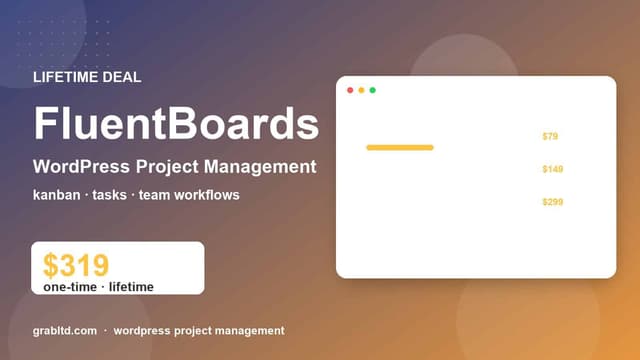
FluentBoards is priced by site count. The Single plan is $319 for one site, Agency is $639 for five, and Unlimited is $1,279 for any number of sites. Projects and assignees are unlimited on every plan. If you build sites for clients, count the sites you run today and the ones you expect to run in two years, then choose the tier that covers both.
Check the redeem and refund windows
Two dates decide what you can do after you buy. The redeem window is how long you have to activate the code. The refund window is how long you can ask for your money back. Many deal pages show one and leave out the other, and the refund window is the one that matters if the product disappoints.
Here is what the GrabLTD pages say for the three tools above.
| Product | Redeem window | Refund window |
|---|---|---|
| SendFox | 60 days from purchase | 60 days, through AppSumo |
| Pabbly Connect | Not stated | 30 days, from Pabbly |
| FluentBoards | Not stated | Not stated; the page says to ask the vendor |
A refund window can also shrink. The guide to lifetime deal terms above notes that some vendors cancel refund eligibility once you activate a code, or after heavy use, which turns a 60-day window into a 7-day window in practice. Take a screenshot of the terms when you buy, and record the refund deadline in your free GrabLTD workspace.
Refund rules also differ from one marketplace to the next. The refund windows comparison looks at four of them. The figures on a deal page can change, so check the live page before you pay, not a number you read last month. On GrabLTD, deals sold directly on the site carry a refund window of 14, 30 or 60 days, shown on the deal page. Most deals today are bought at the deal source (AppSumo, StackSocial, DealMirror, Dealify, RocketHub or DealFuel), and that source's own refund terms apply. Either way, the window on the deal page is the one to write down.
Check stacking, upgrades, support and roadmap promises
Stacking is where many deals quietly get worse. SendFox says codes cannot be stacked, and you can switch tiers while the deal is live. TidyCal also rules out stacking, but lets you move up a tier while the deal runs and down within 60 days. Pabbly's one-time plans cannot be upgraded at all.
Read the upgrade rules before you buy the smaller plan. A plan you cannot grow out of is only cheap until you need more. If the terms and the deal page disagree on stacking, the blog guide's advice is to treat the terms as the final word. Screenshot both before you pay, especially when the total is large.
Stacking matters most when you plan to buy more than one code for the same account. The rule may be that extra codes add seats but not storage, or that an account can hold fewer codes than the deal page advertises. Those limits rarely appear on the front of the offer, so the question to ask is simple: after you buy two codes, what exactly do you get? If the answer is hard to find, that is useful information too.
Support is the part buyers only check after something breaks. TidyCal lists email support with a 24-hour target response and a help center. Icedrive lists priority support for its lifetime plans. Pabbly's support terms on the GrabLTD page conflict: one part lists a year of support, and another says support is not included. Confirm that with Pabbly before you buy.
Roadmap promises are the last thing to trust. A page that says "coming soon" or lists features in progress is a promise, not a contract. Icedrive's documentation is marked coming soon on its page. Treat anything not written into the plan or the terms as a bonus, and decide whether the deal still works without it. A useful test is to imagine the roadmap item never ships. If you would still buy the deal, the promise is a bonus. If you would not, the promise is carrying the decision, and that is a warning sign.
Before you click buy
Work through these six questions for the one deal you are considering.
- What does "lifetime" cover, and do the terms say so in writing?
- Do the limits you need today, and the ones you expect in two years, fit the plan table?
- When does the redeem window close, and when does the refund window close?
- Can you stack codes, and can you move up or down a tier?
- What support is included, and through which channel?
- Does the platform fit your setup? FluentBoards runs only as a self-hosted WordPress plugin, so a site without WordPress is not a fit.
FluentBoards also has no stated refund policy on its page, and the page tells you to ask the vendor before buying. If you cannot find a refund policy, ask in writing and keep the answer with your receipt.
Start with one deal, not the whole list, and use the browse page to find it. Pick the one you are closest to buying, answer the six questions, and write the dates into your workspace. A deal that passes all six is worth buying. A deal that fails one of them is worth a second look, and sometimes worth skipping.
Some links on GrabLTD are affiliate links, including the FluentBoards buy link. That means GrabLTD can earn a commission on some purchases, at no extra cost to you.